Source Pultrusion Cable Pulling Fishtape for Telecom and Electrical
Find 30 pultrusion cable pulling fishtape options with diameters from 3mm to 6mm and lengths up to 80m. Compare fiberglass and steel wire variants for telecom and electrical applications. View specifications and request quotes for customized solutions; compare the available evidence and request quotations based on your requirements.
Key considerations
Products List




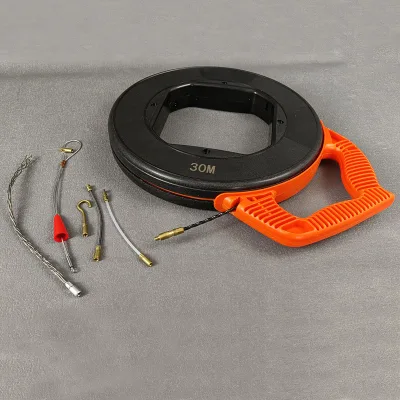
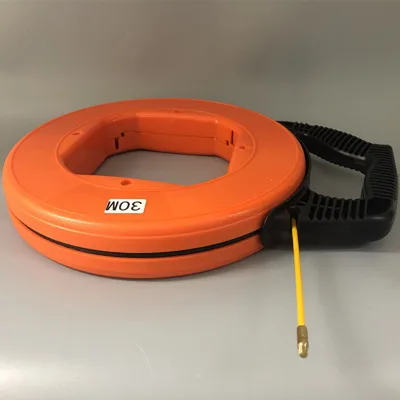
Comprehensive Sourcing Guide
Pultrusion Cable Pulling Fishtape Sourcing Guide
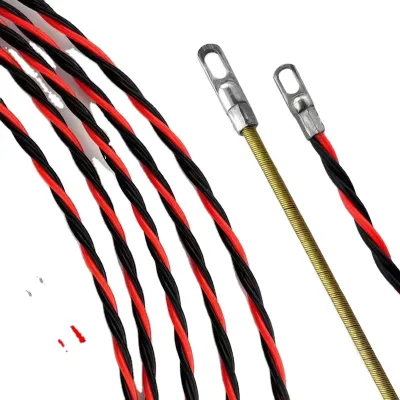
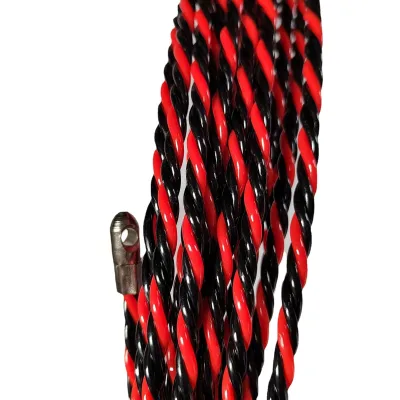
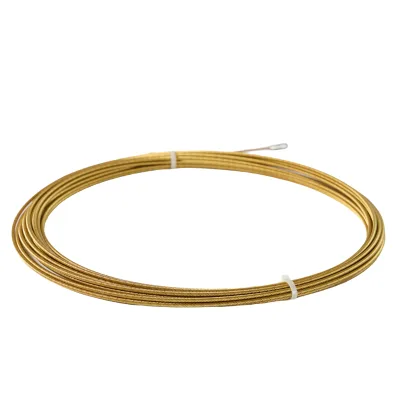
Buyers must first distinguish between steel wire and fiberglass variants when evaluating pultrusion cable pulling fishtapes, as the material dictates the application environment. The supplied data indicates that steel wire options typically feature diameters of 3mm to 5.2mm and lengths ranging from 10m to 80m, suitable for general conduit navigation. In contrast, fiberglass models often utilize pultrusion technology to achieve high strength and flexibility, with specific dimensions like 4mm diameter and lengths extending up to 60m or 73m for telecom and electrical cable pulling.
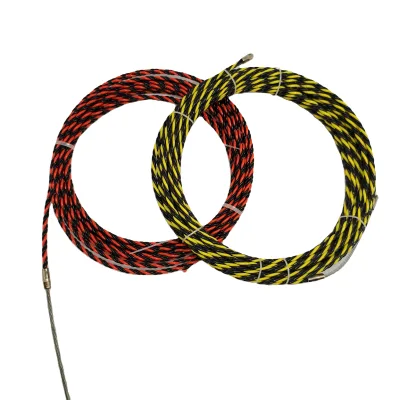
Procurement decisions should also account for the diverse color coding and packaging standards observed in the market, which facilitate site identification and logistics. Listings show colors including red, yellow, blue, black, and orange, often packed in paper cartons or standard cartons to prevent damage during transit. Buyers should verify if the supplier offers customized lengths and colors to match specific project requirements, ensuring the tool aligns with the unique constraints of the installation site before finalizing the order.
Product Scope and Observed Listing Signals
The product scope for pultrusion cable pulling fishtapes encompasses a wide range of models designed for both simple structure tasks and complex electrical wire applications. Observed listings highlight specific model identifiers such as Fish Tape 06, Fish Tape 07, and Cable Push Puller 04, each serving distinct functions from basic wire pulling to specialized telecom cable management. Buyers should note that some units are marketed as wire strippers or cable organizers, indicating a broader ecosystem of tools that may be bundled or sold as complementary accessories for electric cable wire usage.
Market signals reveal significant variation in selling points, with suppliers emphasizing good quality, competitive pricing, and fast delivery as primary advantages. The presence of features like fire and flame retardancy suggests that certain models are engineered for safety-critical environments, while others focus on high strength and flexibility for demanding pulls. Procurement teams must carefully cross-reference these claims with the actual product specifications, such as the linear diameter of 3mm to 4.5mm or the specific length ranges of 5m to 30m, to ensure the selected tool meets the physical demands of the intended job.
Technical Specifications to Verify
Technical verification begins with confirming the core material composition, as the supplied facts list steel wire, fiberglass, nylon, and polyester as potential constituents. Buyers must explicitly request the exact material grade for the specific model, distinguishing between standard steel wire tapes and advanced fiberglass rods that utilize pultrusion technology for superior tensile strength. The diameter specifications vary widely, with observed ranges including 3mm, 4mm, 4.5mm, and 6mm, requiring precise matching to the conduit size and the cable being pulled to prevent jamming or damage.
Length and dimensional tolerances are equally critical, with observed standards ranging from short 5m units to extensive 80m or 73m configurations. Procurement teams should verify the exact length increments available, such as 10m, 15m, 20m, 25m, 30m, 40m, and 45m, to ensure the tool covers the required distance without excessive weight or stiffness. Additionally, the temperature range of -40°C to +80°C and surface treatments like special engineering plastic coatings must be confirmed to guarantee performance in extreme environmental conditions and resistance to abrasion during repeated use.
Compliance and Safety Documentation
Compliance verification requires checking for recognized certifications such as ISO and CCC, which are explicitly mentioned in the product data for certain cable pulling tools. Buyers should demand valid certification documents for the specific batch being purchased, as these standards indicate adherence to quality management systems and safety regulations essential for electrical and telecom infrastructure projects. The presence of these certifications is a strong indicator that the manufacturer maintains consistent production controls, particularly for tools used in high-voltage or sensitive electrical environments.
Safety documentation must also address the operational features of the tool, such as fire and flame retardant properties, which are listed as key attributes for some models. Procurement teams should request test reports or material safety data sheets that validate these claims, ensuring the tool will not contribute to fire hazards during installation or maintenance. Furthermore, verifying the warranty period, typically observed as 12 months, provides a contractual safety net for buyers, ensuring that any premature failure due to manufacturing defects is covered by the supplier.
Cost Drivers and Commercial Terms
Cost drivers for pultrusion cable pulling fishtapes are heavily influenced by material selection, with fiberglass and steel wire commanding different price points based on raw material costs and manufacturing complexity. The pultrusion process used for fiberglass rods adds value through enhanced durability and flexibility, often justifying a higher unit cost compared to standard steel wire alternatives. Buyers should analyze the total cost of ownership, considering that higher-quality materials may reduce replacement frequency and downtime, ultimately offering better value despite a potentially higher initial purchase price.
Commercial terms vary significantly, with observed minimum order quantities (MOQ) ranging from as low as 5 pieces to as high as 10,000 units depending on the supplier and product model. Pricing structures are often tied to customization levels, where specific lengths, colors, or packaging requirements can alter the final cost. Procurement teams must negotiate clear terms regarding lead times and delivery schedules, as the observed advantage of fast delivery is a critical factor for projects with tight installation deadlines, ensuring that the supply chain does not become a bottleneck.
Supplier Qualification and Quality Control
Supplier qualification should prioritize manufacturers with a proven track record in producing specialized tools like cable pullers and fish tapes, often originating from regions like Hebei or China where such industrial hubs are concentrated. Buyers must verify the supplier's production capabilities, specifically their ability to execute the pultrusion process and apply special engineering plastic surface treatments consistently. The presence of a 12-month warranty period suggests a level of confidence in product durability, but this should be backed by a robust quality control system that inspects every unit for defects before shipping.
Quality control protocols must include rigorous testing of the tool's mechanical properties, such as tensile strength and flexibility, to ensure they meet the advertised specifications. Buyers should request evidence of the manufacturing process, including how the steel wire thickness or fiberglass rod diameter is maintained within the specified tolerances of 3mm to 6mm. Additionally, verifying the packaging standards, such as the use of paper cartons or standard cartons, is essential to prevent damage during transit, ensuring that the product arrives in pristine condition and ready for immediate deployment on the job site.
Long-Term Procurement Checks
Long-term procurement strategies should focus on establishing a reliable supply chain that can consistently deliver tools meeting the specific technical and safety requirements of ongoing projects. Buyers must monitor the supplier's ability to maintain the observed product standards, such as the 10-80m length range and the specific diameter options, as project needs may evolve over time. Regular audits of the supplier's quality control processes and certification status ensure that the tools remain compliant with industry standards and continue to perform reliably in the field.
Sustainability and lifecycle management are also critical considerations, as the durability of pultrusion fiberglass and steel wire tools impacts long-term operational costs. Buyers should evaluate the supplier's commitment to product longevity, supported by features like high strength and flexible design, which reduce the frequency of replacements. Establishing a partnership with a supplier who offers customization and fast delivery ensures that the procurement team can adapt to changing project demands while maintaining high standards of safety and efficiency in cable installation and maintenance operations.
FAQs
What diameters are available for pultrusion cable pulling fishtape products?
Listed products come in diameters of 3mm, 4mm, 4.5mm, 5.2mm, and 6mm depending on the model. Fiberglass and steel variants typically use 3mm to 4.5mm diameters for standard conduit runs. Thicker diameters offer higher pulling strength but reduce flexibility in tight bends. Confirm the diameter that matches your conduit size before ordering.
What lengths can I choose when ordering a cable pulling fishtape?
Available lengths range from 5m to 80m, with common configurations at 10m, 15m, 20m, 25m, 30m, 40m, 45m, 60m, and 73m. Some suppliers also offer customized lengths, such as 15m, 30m, or 40m variants. Choose a length that exceeds your longest planned conduit run so the tape can traverse the full distance with margin.
Which materials are used for these fishtapes and how do they differ?
Common materials include fiberglass, steel wire, nylon, and polyester. Fiberglass rods are flexible and non-conductive, often pultruded with an ABS or plastic case for handling. Steel wire versions offer high strength and durability for demanding pulls. Fiberglass models typically operate from -40°C to +80°C, so verify temperature needs for your installation environment.
Can I order customized fishtapes with specific colors or packaging?
Yes, customization is available on many listings. Color options include red, yellow, blue, orange, white, black, and combinations thereof. Packaging is typically paper cartons or cartons, and customized lengths and diameters can be requested. Minimum order quantities vary, with some listings starting at 5 pieces and others requiring larger volumes.
How do I verify the quality of a fiberglass fishtape before bulk ordering?
Check that the product uses pultrusion technology with special engineering plastic surface treatment, which improves wear resistance. Request samples to test flexibility, strength, and the winding case mechanism. Some listings provide a 12-month warranty period and ISO or CCC certification, which can serve as baseline quality indicators for supplier evaluation.
What are typical use cases for a cable pulling fishtape?
Fishtapes are used as special tools for holding and pulling electric cable through conduits, ducts, and walls, including telecom cable installation. The fiberglass rod or steel wire is fed into the conduit, attached to the cable or draw wire, and then pulled back through. Simple-structure designs suit electricians, telecom crews, and maintenance contractors alike.